ATLAS
An agile CubeSat constellation for advanced reconnaissance and electronic surveillance, delivering orbital mosaic intelligence for modern NATO defence operations.
ATLAS is a tactical CubeSat swarm engineered for advanced reconnaissance and electronic surveillance across contested domains. Operating as a low-footprint orbital mosaic, it delivers persistent intelligence coverage over borders, maritime corridors, and conflict zones — providing mission-critical data to NATO forces with agility, fault tolerance, and encrypted reliability.
Orbital reconnaissance & surveillance
A next-generation CubeSat constellation delivering agile, persistent intelligence and electronic surveillance for NATO operations across contested domains.
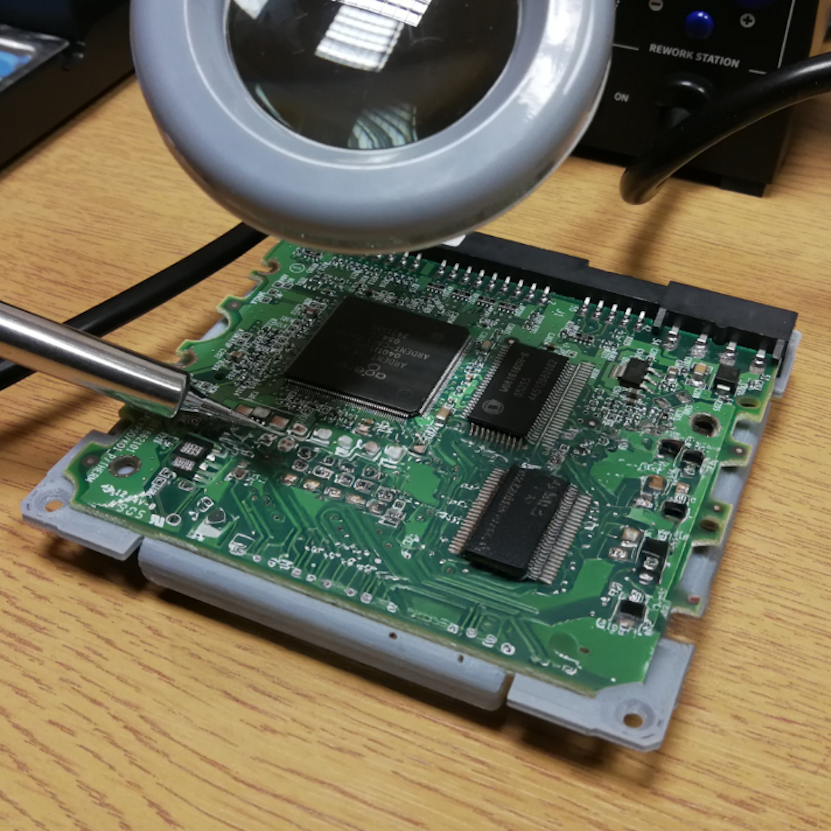
Persistent orbital coverage
ATLAS provides continuous monitoring over borders, maritime routes, and conflict zones through its distributed orbital mosaic.
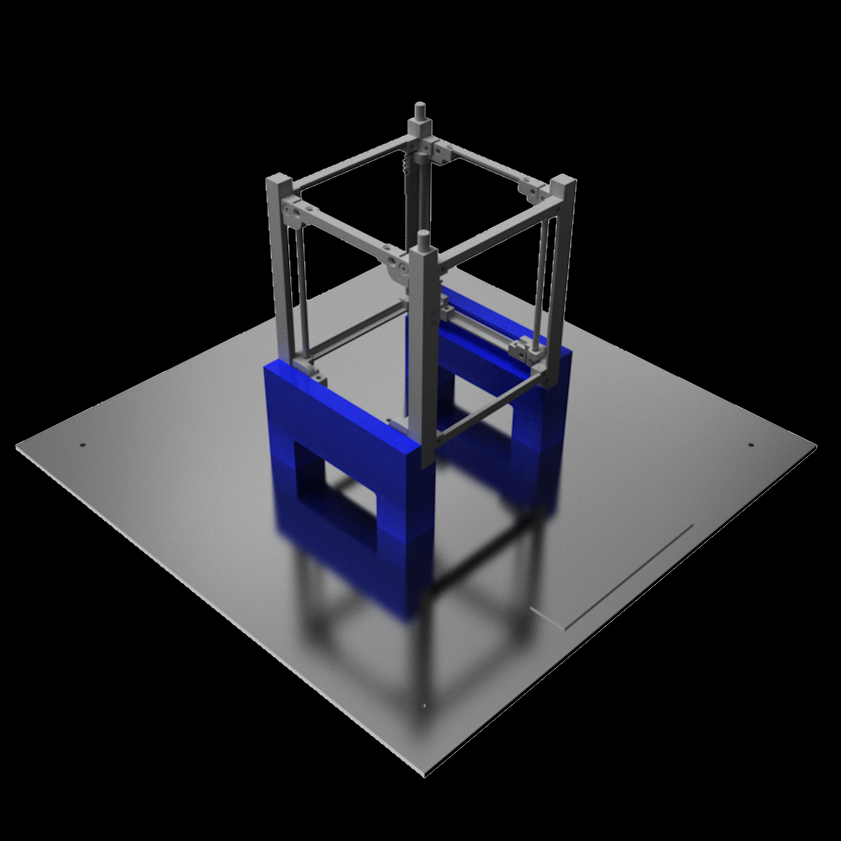
Autonomous swarm coordination
The constellation operates as an intelligent swarm, enabling rapid deployment, adaptive tasking, and resilient mission execution.
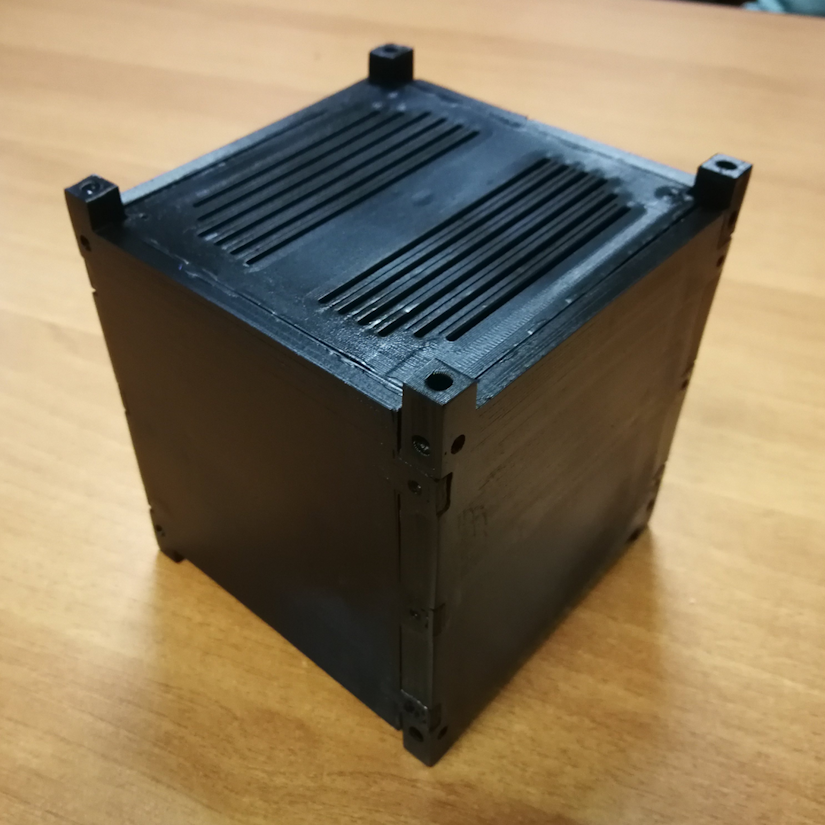
Secure, mission-ready intelligence
Encrypted communications and fault-tolerant design deliver reliable, mission-critical insights to defence operators in real time.
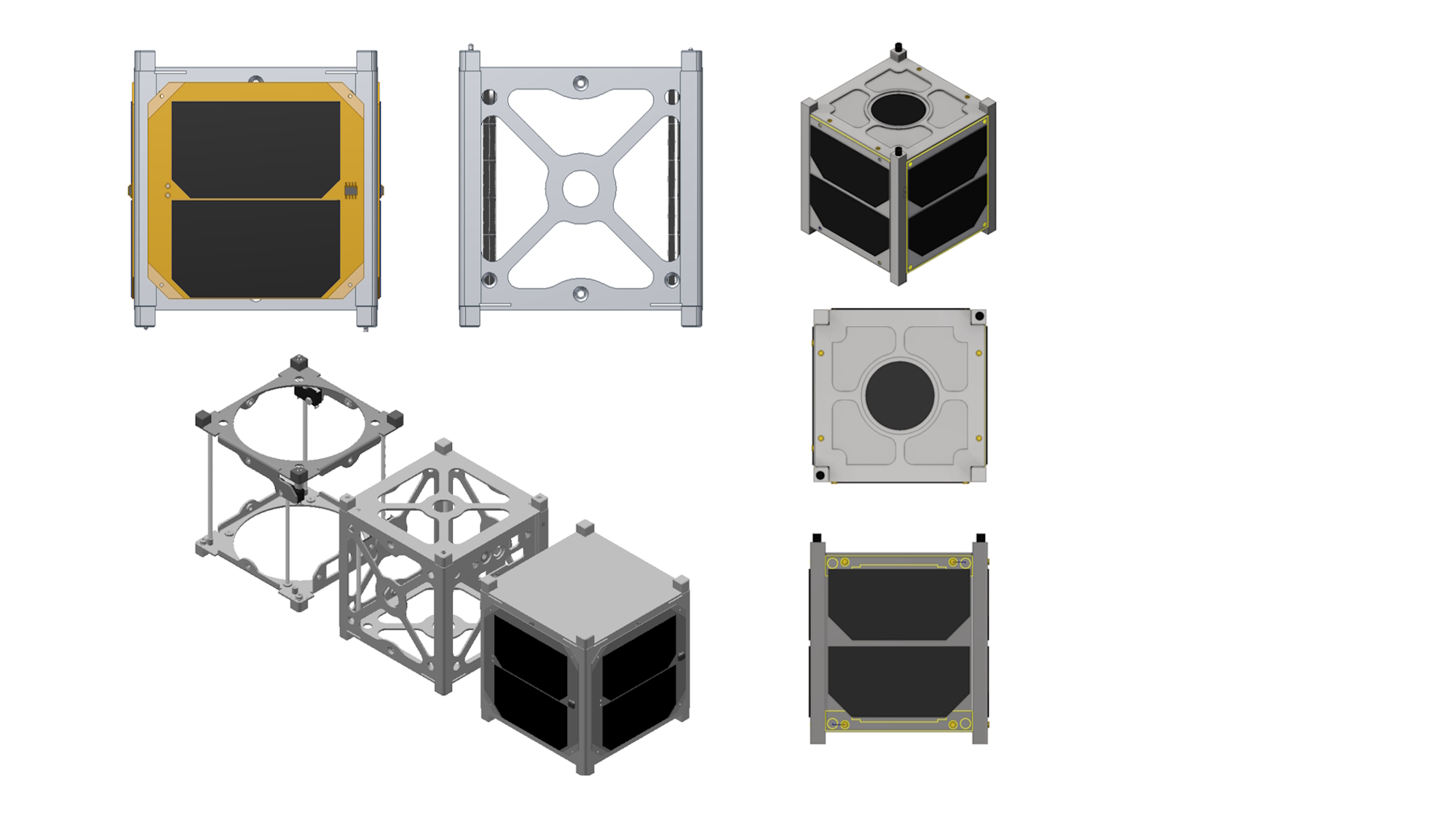
Built small, fielded fast
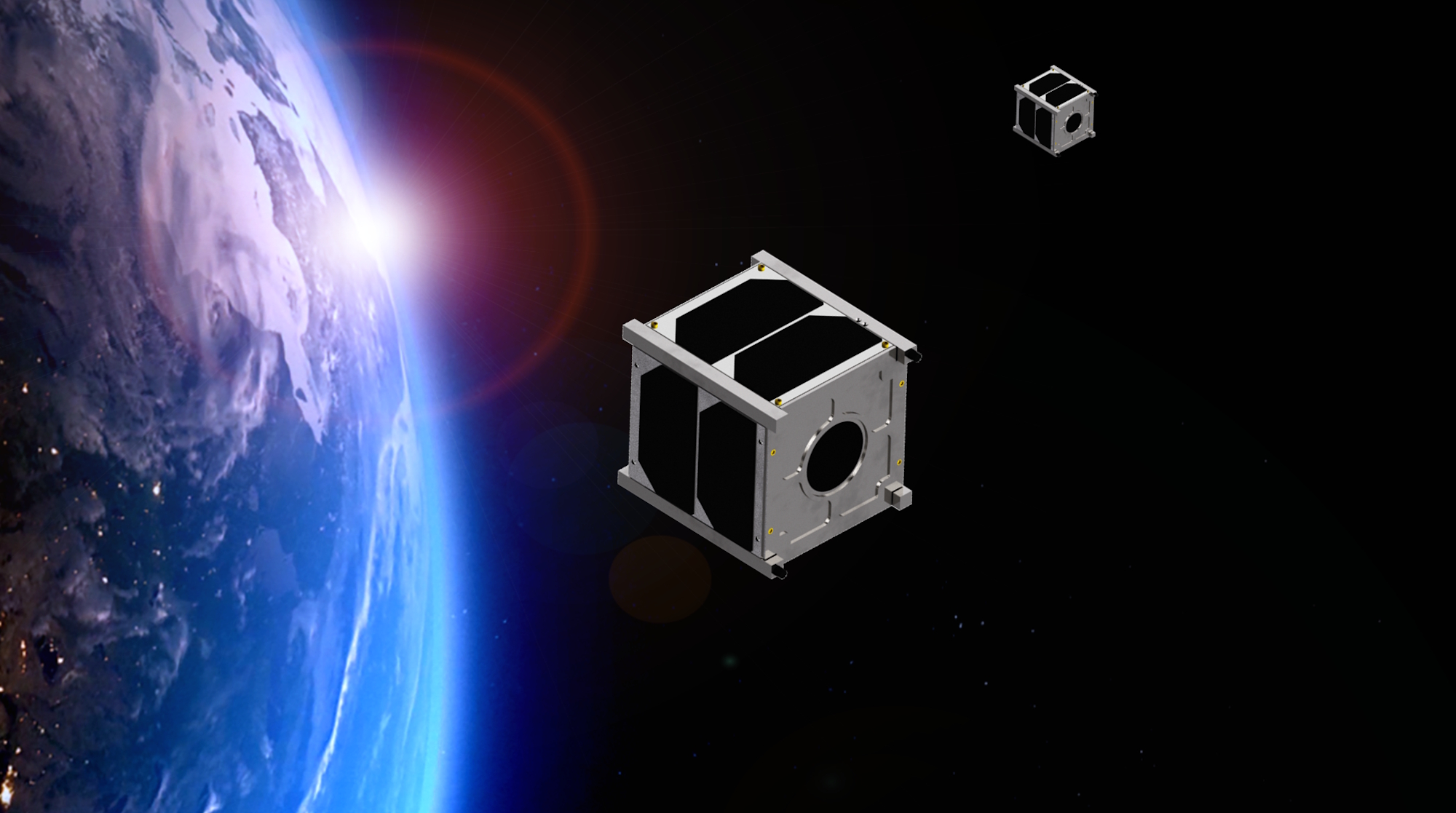
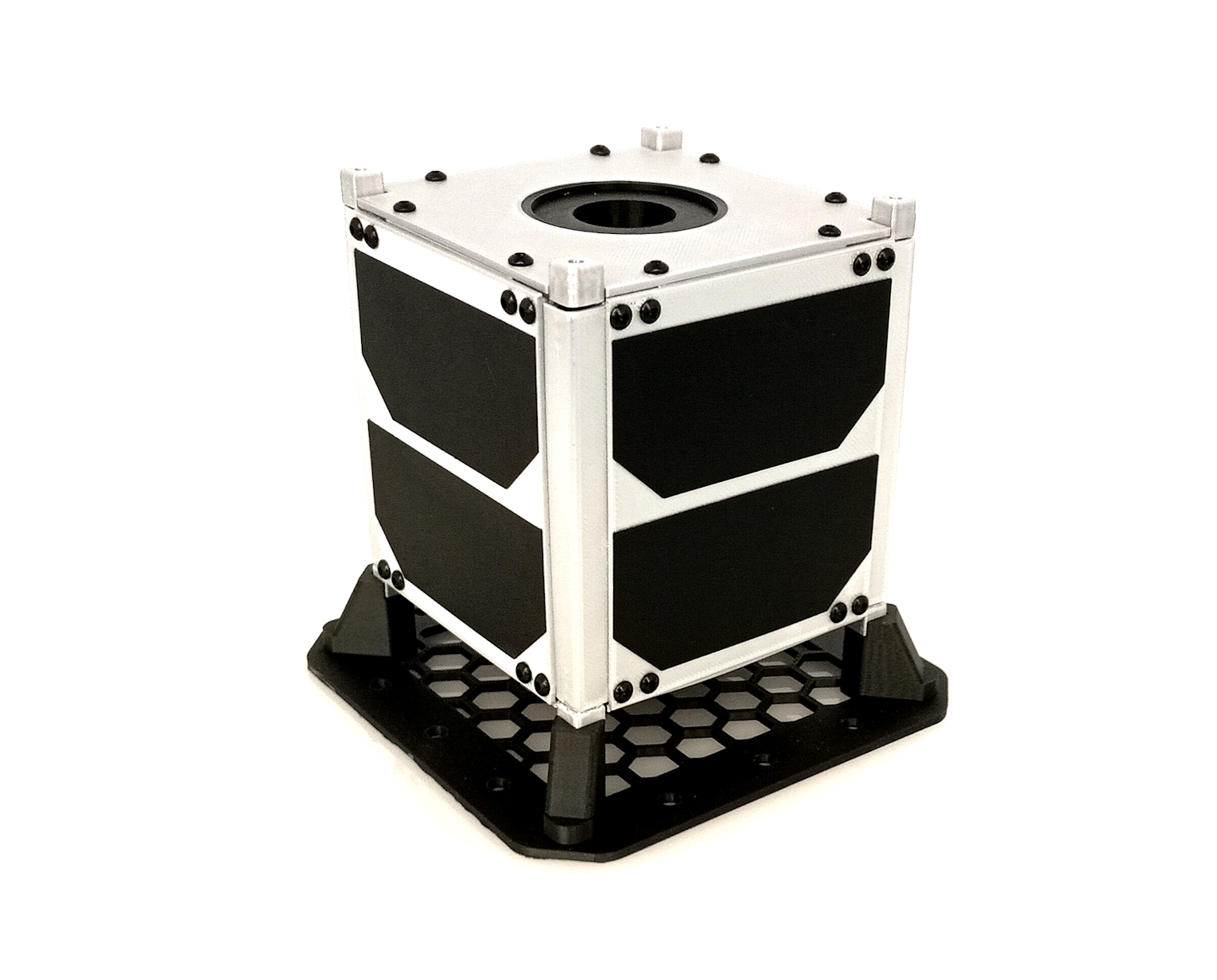
A 55-unit swarm engineered for rapid deployment and autonomous coordination — passive magnetic stabilisation, encrypted storage, and adaptive UHF downlink across a Sun-Synchronous Orbit.
From orbit to operator, in near real time
ATLAS's ground segment is architected for seamless data ingestion, triage, and fusion across NATO's tactical and strategic networks. Downlinked intelligence is received via dispersed ground stations with multi-band transceivers, real-time decryption, and mission-priority buffers.
Interfacing directly with NATO's Federated Mission Networking layer, the pipeline supports compression, relevance tagging, and automated dissemination to theatre C2 systems optimised for low-latency situational awareness.
Defence at every tier
ATLAS is hardened at every tier of its architecture, from onboard encryption to network-level shielding.
Each node employs end-to-end cryptography with rotating keys and quantum-safe protocols. Communications are cloaked via frequency agility and anomaly detection, while physical tamper resistance and compartmentalised ground infrastructure prevent intrusion.
Resilience extends to survivability: swarm-level redundancy allows graceful failover, while autonomous re-tasking and orbital reconfiguration preserve coverage continuity against jamming, space weather, or kinetic threats.
Designed to evolve with doctrine
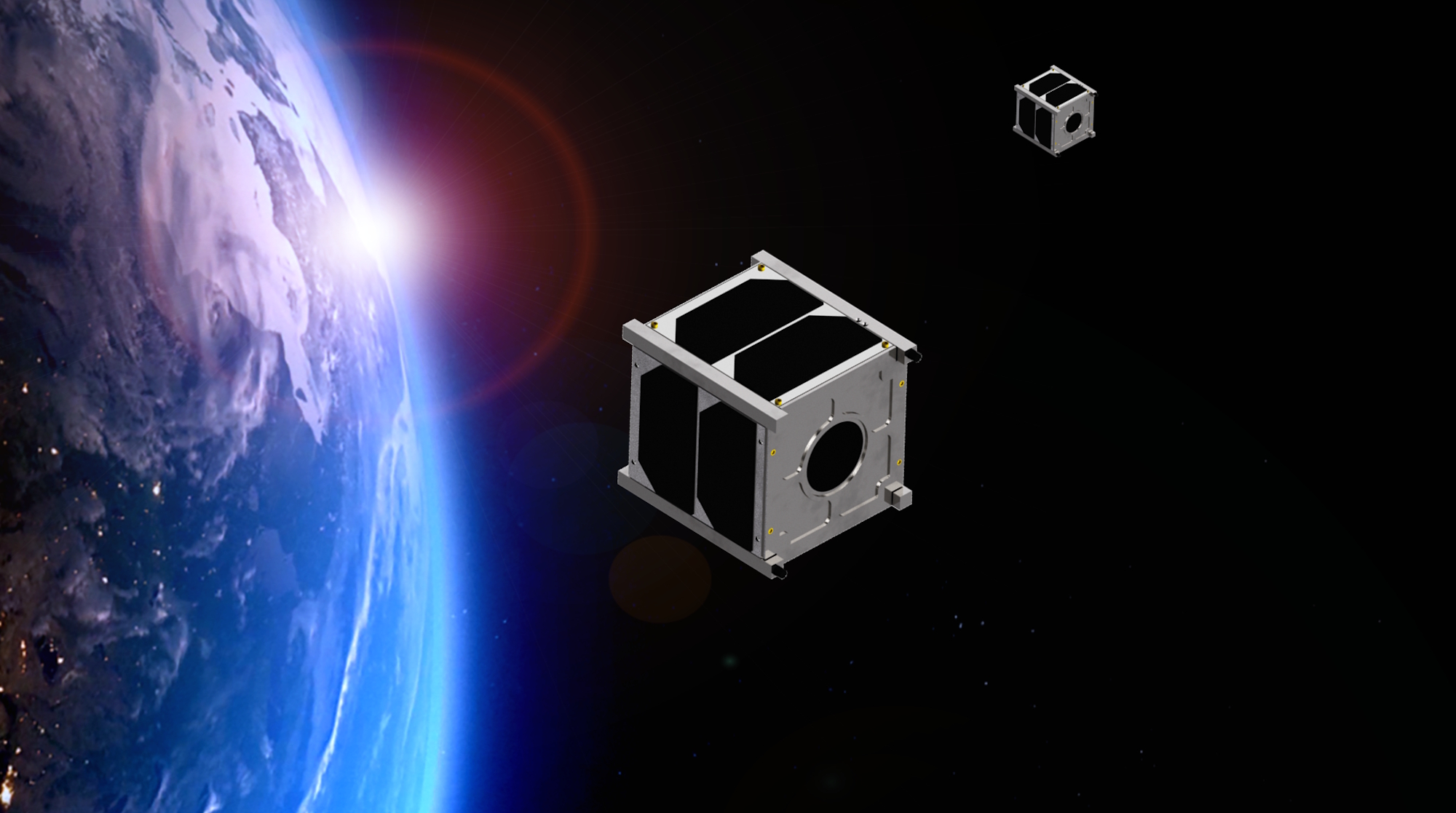
ATLAS's roadmap embraces iterative evolution aligned with NATO's modular procurement frameworks.
Initial deployments focus on ISR and electronic warfare support, with mid-term upgrades introducing SIGINT clustering, cross-domain data fusion, and manoeuvrable variants for space-domain awareness. Procurement is structured around low-unit-cost scalability, rapid launch cadence, and sovereign customisation — full NATO interoperability retained.
Electronic surveillance
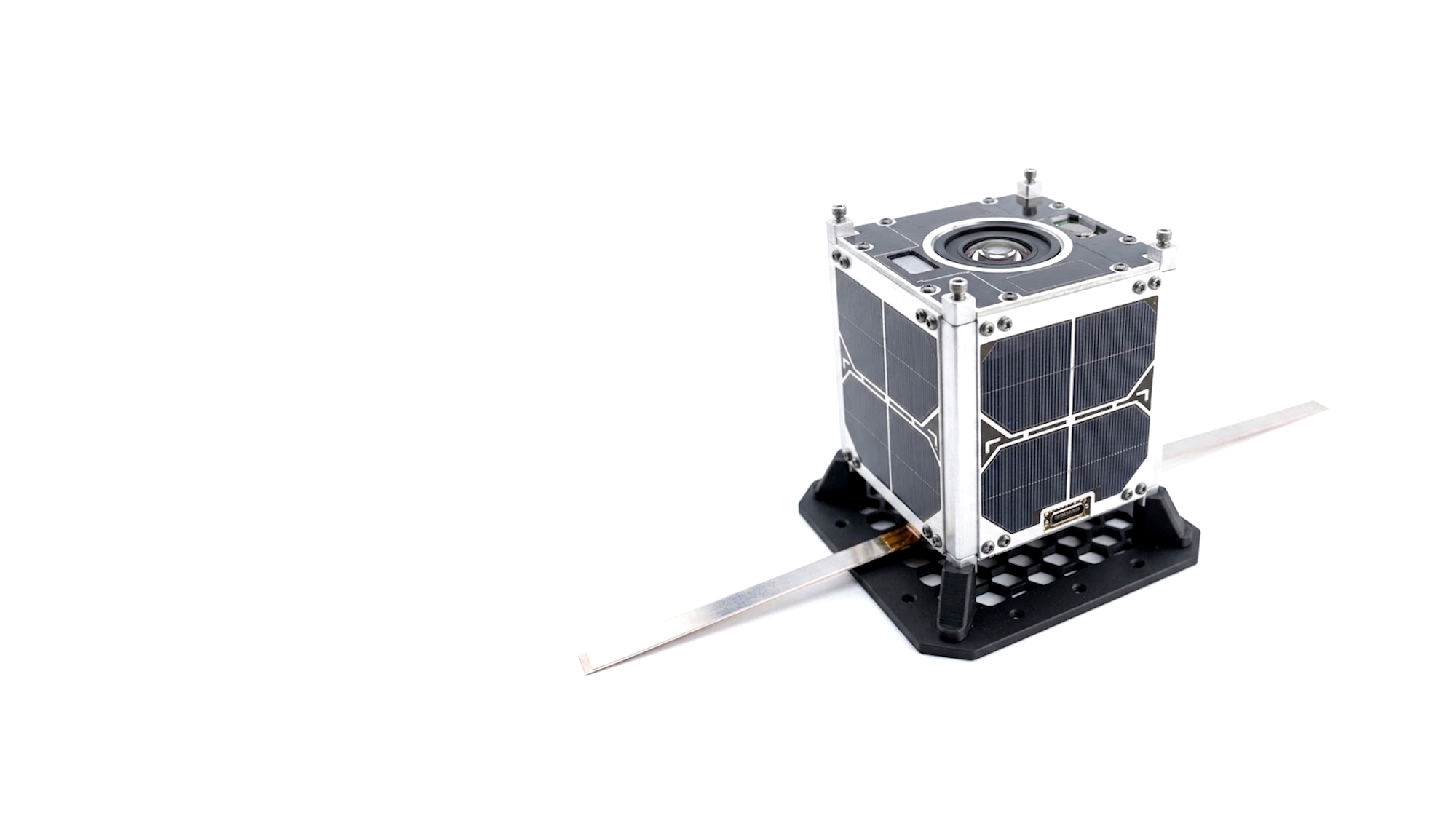
Designed for contested environments, ATLAS performs advanced electronic surveillance by detecting, monitoring, and analysing electromagnetic activity across land, sea, and border regions. Secure communications and encrypted data links ensure reliable intelligence delivery to allied forces.
Proudly working with
